


Japanese Matcha
We can guide you to the most suitable matcha for your needs.
Matcha varies by grade in terms of
flavor, color, stability, cost performance, and intended application.
Based on origin, cultivar, cultivation methods, and certification requirements,
we organize our matcha by application to ensure the best fit for each use.
PRODUCTS
-
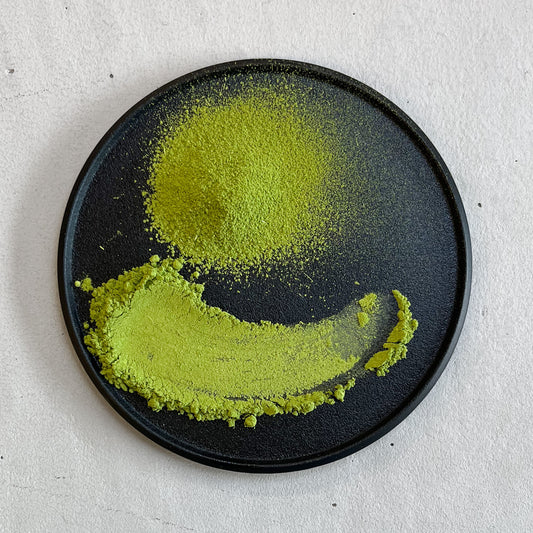
Japanese Matcha -Natsume- 30g Ceremonial Grade
Vendor:matcha-otakuRegular price ¥2,120Regular price -
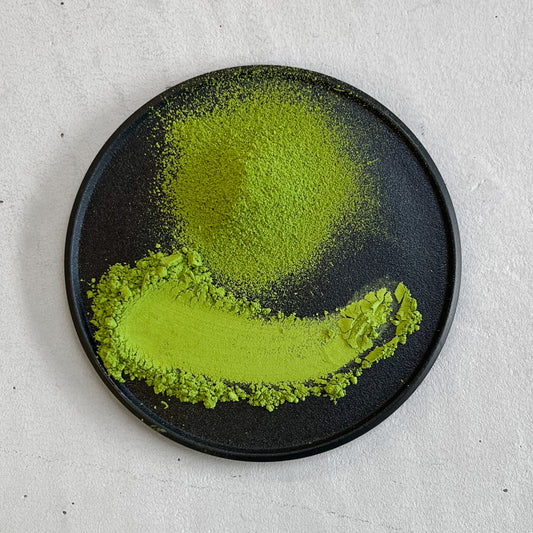
Japanese Matcha Ayame 30g Ceremonial Grade
Vendor:matcha-otakuRegular price ¥2,240Regular price -
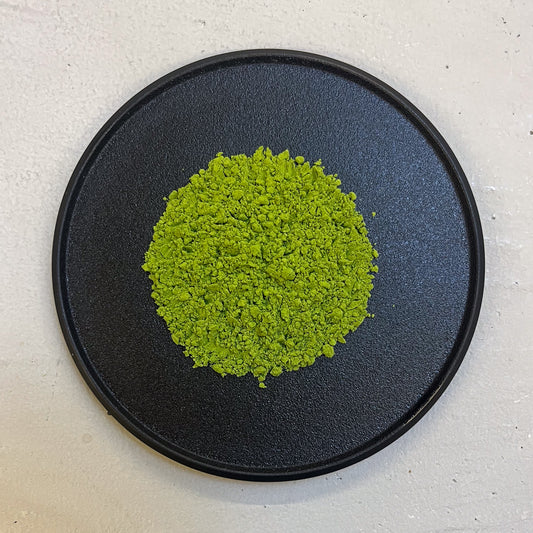
Japanese Matcha Karen 30g Ceremonial Grade
Vendor:matcha-otakuRegular price ¥2,590Regular price -
Japanese Matcha Sui 30g High-grade Matcha
Vendor:matcha-otakuRegular price ¥2,200Regular price






Do you offer organic or Halal-certified matcha?
We hold certifications such as JAS depending on the destination market.
Certificates are available upon request.
We also offer rare Halal-certified matcha produced in Japan.
Note: Organic matcha is generally priced higher due to labor-intensive cultivation.
What about pesticide residue and radiation testing?
We can provide test results meeting Japan standards.
All products have passed quarantine inspections through previous export experience.
What are common uses for matcha?
Matcha is widely used across a variety of applications, including:
- Beverages (such as matcha lattes and smoothies)
- Desserts (ice cream, cakes, chocolates, etc.)
- Confectionery and baking ingredients
- Food service and café menus
What are your recommended ways to enjoy matcha?
Here are some of our recommended ways to enjoy matcha.
Taste preferences vary, so feel free to adjust the recipe to suit your liking.
1. Traditional Matcha (Tea Ceremony Style)
- Matcha powder: 4–5 g
- Hot water: 70–80°C (about 60 ml)
- Preparation: Whisk with a bamboo whisk (chasen) until frothy
- Notes: This method allows you to fully enjoy matcha’s aroma and umami. A slight bitterness is natural and characteristic of high-quality matcha.
2. Matcha Latte (with Milk)
- Matcha powder: 2–3 g
- Milk or soy milk: approx. 180 ml
- Preparation: Dissolve matcha in 30 ml of hot water, then add steamed milk and mix well
- Notes: Milk softens the bitterness, creating a smooth and creamy flavor. Sweeteners may be added if desired.
What are the different matcha grades?
Matcha is generally classified into grades ranging from SS to C.
Broadly, these can be grouped into the following three categories:
- 👑 Ceremonial Grade
(Premium quality, suitable for drinking on its own) - 🥇 Premium Grade
(Designed for cafés; enjoyable on its own and also performs well in lattes and desserts) - 🥤 Latte Grade
(Best suited for beverages and confectionery applications)
Ceremonial grades are known for superior color, aroma, and umami,
while latte grades prioritize functionality and cost performance.
What is the shelf life and recommended storage method?
- Unopened: 12 months at room temperature
- After opening: Refrigeration is recommended
Matcha is sensitive to light, oxygen, and humidity.
For this reason, aluminum or other light-blocking packaging is essential for maintaining quality.
